October 19, 2026
Every home relies on a steady flow of power to illuminate rooms, run appliances, and keep daily routines moving smoothly. Behind the scenes of this constant electrical flow sits a vital safeguard designed to protect the entire system from unseen hazards. Without this protective barrier, the simple act of turning on a light could carry significant risks. Homeowners often overlook the complex network of wiring hidden behind their walls until an issue arises, leaving them in the dark. A comprehensive understanding of this system is essential for maintaining a safe living environment. Proper maintenance and awareness ensure that your home remains both functional and secure. Whether you are dealing with flickering bulbs or complete outages, recognizing the components that manage your power is the first step toward effective resolution. Relying on a professional residential electrical service provides peace of mind when navigating these intricate systems. By learning how your home manages its power load, you can better appreciate the invisible shields working around the clock to keep your household safe from unexpected electrical surges and potential hazards.
The Fundamentals of Circuit Breakers
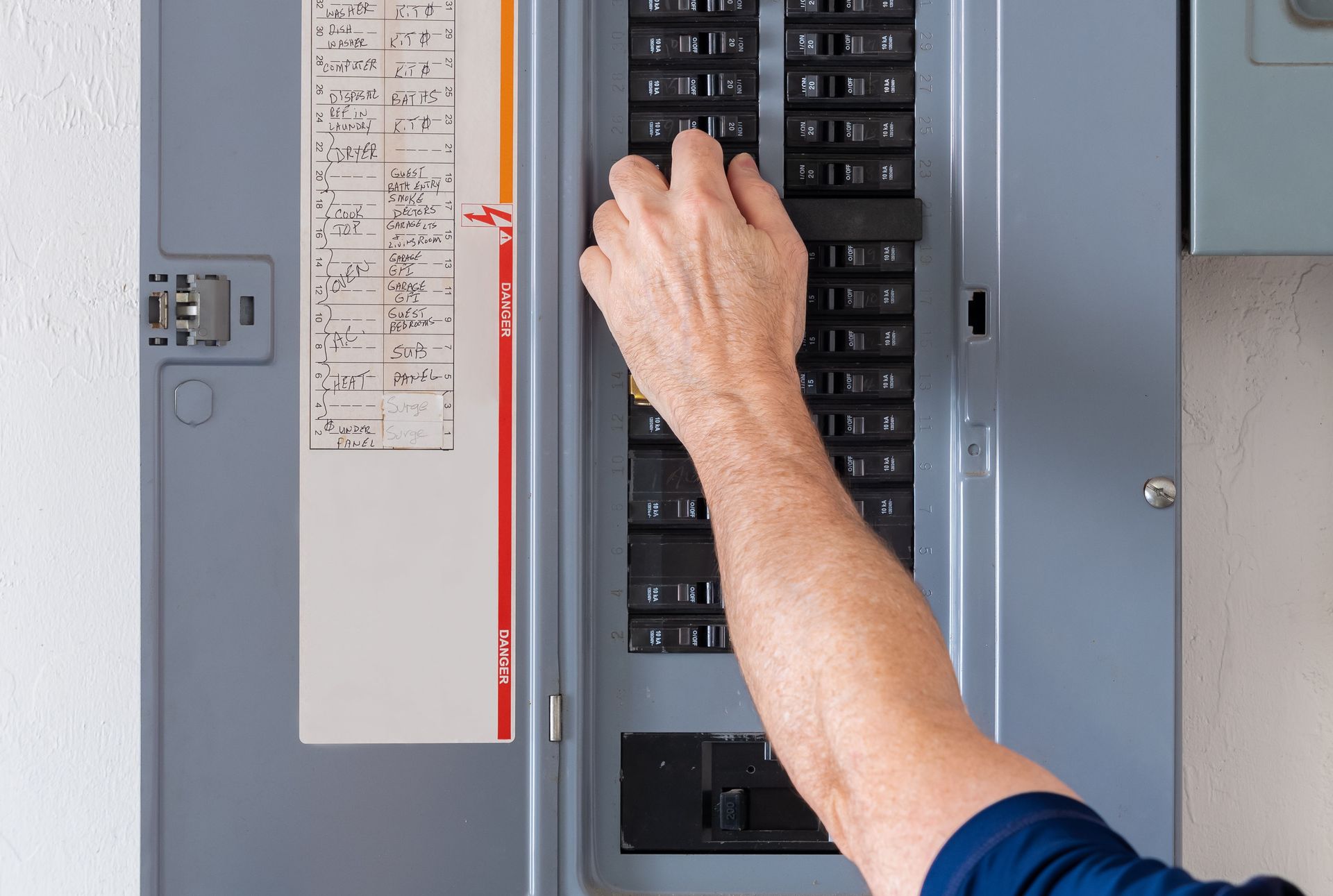
At the heart of your home electrical panel lies a series of switches that monitor the flow of electricity to various rooms and appliances. These devices are carefully engineered to detect when an abnormal amount of current attempts to pass through the wiring. When a surge occurs, the device immediately interrupts the connection, halting the flow of electricity before it can cause overheating or sparking. This automatic response is crucial for preventing damage to your property. While older homes may still rely on outdated fuse boxes, modern homes utilize these resettable switches for greater convenience and enhanced safety. Upgrading or maintaining these components often requires the expertise of a qualified residential electrical service to ensure everything meets modern safety standards. Each switch in the panel is responsible for a specific zone or appliance within the house, creating a highly organized grid of power distribution. Homeowners should familiarize themselves with their electrical panel to quickly identify which area is affected during a power interruption. Understanding the basic operation of these protective devices helps demystify the electrical system, making it easier to communicate effectively with professionals when assistance is needed. Consistent power delivery relies heavily on the reliability of these fundamental components, highlighting their importance in everyday domestic life.
The Importance of Circuit Protection
Protecting the internal wiring of a home is a task that requires constant vigilance and precision. Electrical surges can originate from a variety of sources, including severe weather patterns, faulty appliances, or degraded wiring infrastructure. When excessive power forces its way through wires not designed to handle the load, the resulting heat can degrade insulation and create severe fire risks. The primary defense against these invisible threats is a well-maintained electrical panel equipped with highly responsive protective switches. By severing the connection the moment a surge is detected, these devices act as sacrificial sentinels, taking the brunt of the electrical anomaly so the rest of the home remains unharmed. Ensuring these safeguards are functioning correctly is a primary concern for any reputable residential electrical service performing routine safety inspections. Regular assessments help identify switches that may have become sluggish or unresponsive over time. A faulty protective device is often more dangerous than having no device at all, as it provides a false sense of security. Homeowners must prioritize the health of their electrical panel to mitigate risks and protect their valuable investments. Circuit protection is not merely a convenience; it is a critical safety requirement that forms the foundation of modern domestic living.
The Mechanics Behind the Panel
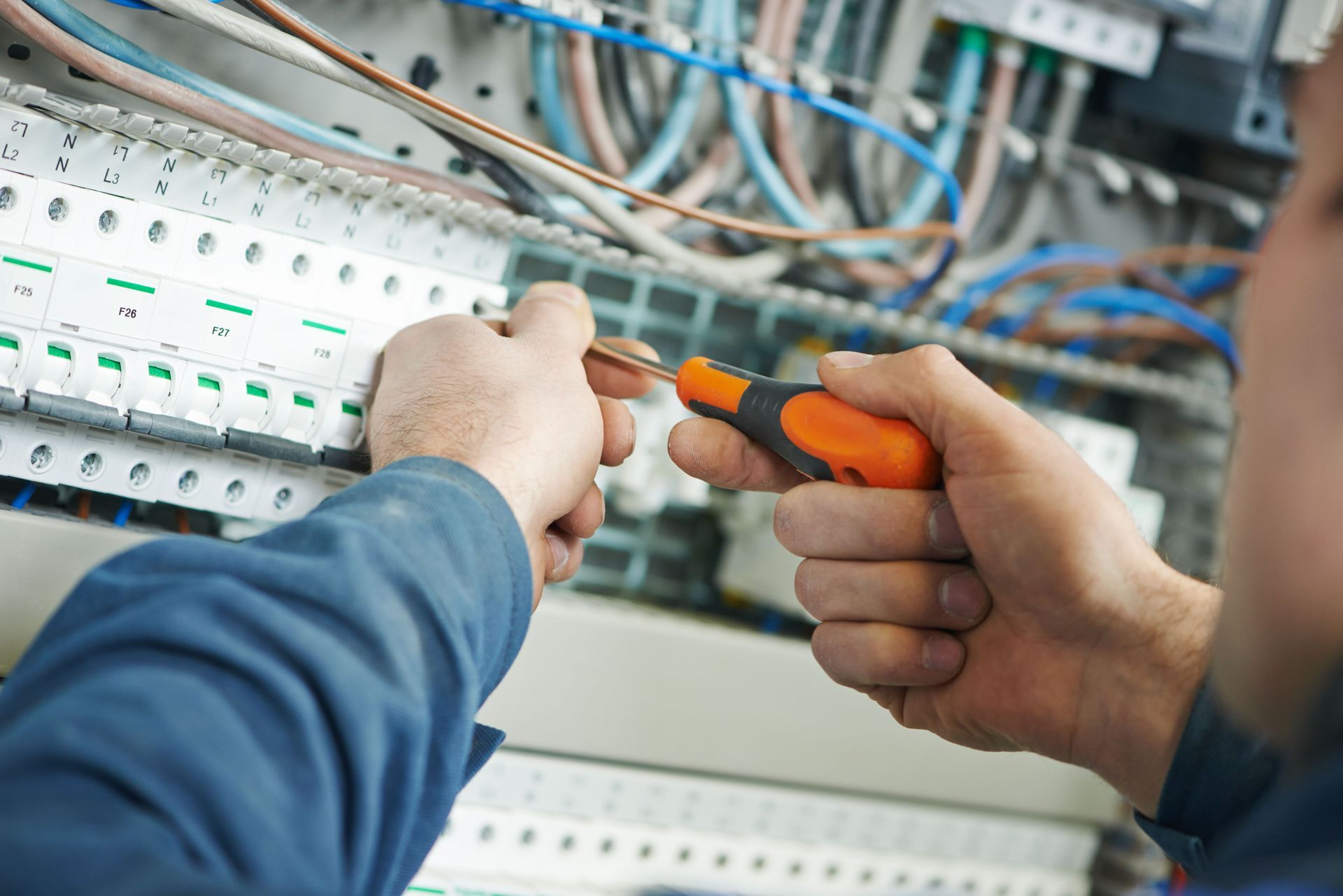
The internal workings of a protective electrical switch rely on fascinating principles of physics and engineering. Most standard devices utilize a specialized bimetallic strip that bends in response to rising temperatures caused by excessive electrical current. As the current increases beyond safe limits, the heat causes the strip to warp, eventually triggering a spring-loaded mechanism that physically breaks the electrical connection. Other variations employ electromagnets that react instantly to massive surges, providing a rapid response to dangerous short circuits. Both mechanisms are meticulously calibrated to respond exclusively to hazardous conditions while ignoring minor, harmless fluctuations in power demand. Navigating these delicate calibrations is a task strictly reserved for professionals, which is why contacting a dedicated residential electrical service is always recommended for panel work. Attempting to modify or repair these internal mechanisms without specialized knowledge can lead to disastrous consequences. The precise engineering within each switch ensures that power is delivered safely and consistently, balancing the demands of modern appliances with the physical limitations of the internal wiring. By appreciating the intricate mechanics operating behind the metal door of the panel, homeowners can better understand the complexity of their home infrastructure.
The Impact on Household Lighting
Lighting is one of the most visible indicators of electrical health within a home. A stable power supply ensures that bulbs burn brightly and consistently, free from distracting flickers or sudden dimming. When the protective switches in the panel are appropriately matched to the wiring, the lighting system operates flawlessly. However, mismatched components can lead to a frustrating cycle of tripped switches and dark rooms. Careful consideration must be given to the specific requirements of lighting circuits to maintain harmony within the system. According to This Old House, 15-amp breakers are typically used for lighting and light-load circuits; 15-amp breakers require a 14-gauge wire. This precise pairing prevents the wire from overheating and ensures that the protective switch trips exactly when it should. When expanding a home or adding new fixtures, consulting a skilled residential electrical service ensures that the existing infrastructure can safely support the additional load. Properly configured lighting circuits enhance the ambiance of a living space while operating safely in the background. Understanding the delicate balance between wiring capacity and switch sensitivity is vital for achieving a well-lit, secure household environment.
The Signs of Electrical Issues
Recognizing the early warning signs of electrical distress can save homeowners from costly repairs and dangerous situations. One of the most common indicators of a struggling system is a switch that repeatedly trips, cutting off power to a specific area. While it is tempting to continually reset the switch, this recurring issue often points to a deeper problem, such as an overloaded circuit or deteriorating wiring. Additionally, a burning odor emanating from the panel or scorch marks around wall outlets demand immediate professional attention. Lights that dim significantly when major appliances turn on also suggest that the power demand is exceeding the system capacity. In any of these scenarios, reaching out to an experienced residential electrical service is the safest and most effective course of action. Ignoring these symptoms can lead to catastrophic failures, compromising the safety of the entire property. Homeowners should routinely inspect their panels for physical signs of wear, such as rust or corrosion, which can impair the functionality of the protective devices. By staying vigilant and responding promptly to abnormalities, you can maintain a resilient and dependable electrical network throughout your property.
Maintaining a safe and efficient home requires a solid understanding of the systems operating behind the scenes. Protective electrical switches are the unsung heroes of modern living, quietly guarding against unseen surges and overloads. By familiarizing yourself with the function and importance of these devices, you can make informed decisions regarding your home infrastructure. Always remember that electrical work is inherently dangerous and should never be treated as a casual do-it-yourself project. When you notice signs of strain or simply want to ensure your system is operating at peak performance, relying on professional expertise is the only sensible choice. A properly managed electrical panel guarantees that your lighting remains steady and your property remains secure against potential hazards. If you are experiencing frequent power interruptions or have concerns about your system, call Robinson Electric today to learn more. Securing a reliable residential electrical service ensures your home remains brilliantly illuminated and perfectly safe.